
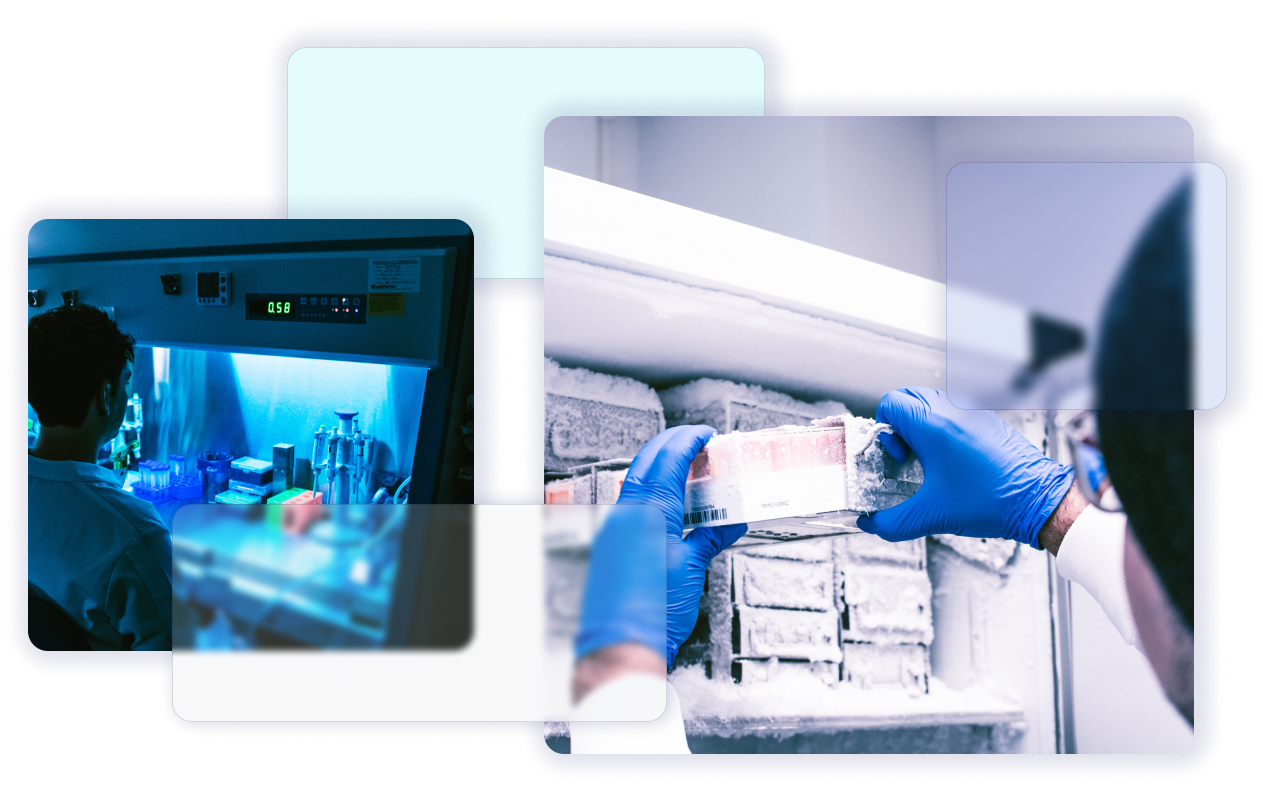
The study summarized below, conducted by TriSalus Life Sciences, demonstrates how the Oncopig model is uniquely valuable for evaluating advanced drug delivery methodologies to liver tumors in a clinically relevant, large-animal setting—showcasing Sus Clinicals’ Oncopigs as a versatile translational oncology platform for prospective clients.
Case Study Summary
TriSalus Life Sciences used the Oncopig transgenic porcine model to rigorously test the hypothesis that Pressure-Enabled Drug Delivery (PEDD) improves the infusion of therapeutic agents into liver tumors versus conventional microcatheter methods. The Oncopig, engineered with inducible KRAS and TP53 mutations, allows for reproducible liver tumor formation, closely mimicking human hepatic anatomy and disease progression, which is highly beneficial for translational research needs.
Research Highlights
- PEDD increased delivery and penetration of therapeutic glass microspheres into liver tumors by 117% in lobar infusions versus conventional catheters, and by 39% in selective infusions—showing robust, statistically significant improvements in drug uptake at the tumor site.
- Lobar PEDD proved as effective as conventional selective catheter delivery, which may help simplify procedures for extensive liver disease, reduce off-target normal tissue exposure, and expand eligible patient groups.
- The Oncopig’s physiologic similarities to humans provided reliable, high-fidelity imaging and quantitative analytics of therapeutic distribution using deep learning, making it ideal for accurate assessment of procedural and drug delivery innovations.
Clinical Value Proposition for Prospective Clients
Partnering with Sus Clinicals for Oncopig studies brings access to a highly flexible and realistic large-animal model, accelerating development and testing of new medical devices, drug formulations, and interventional protocols for solid tumors.
The Oncopig model supports complex interventional studies, including liver oncology and advanced drug delivery, with a reproducible, immunocompetent system suitable for preclinical validation before human clinical trials.
Its use enabled validated, data-driven comparison of PEDD versus standard delivery, helping TriSalus Life Sciences optimize catheter-based therapies for liver tumors—a process directly translatable to clinical research needs.